The Complete Guide to Marketing Automation Pipelines
Discover how to leverage AI-powered marketing automation to streamline your campaigns and drive more leads and sales in less time.
The Power of Marketing Automation Pipelines
As a business owner or marketer, you know that effectively promoting your products or services requires a strategic, multi-faceted approach. From creating engaging content to nurturing leads and driving sales, the list of marketing tasks can feel endless. That's where marketing automation pipelines come in - they have the power to transform your marketing efforts and unlock exponential growth for your business.
What is a Marketing Automation Pipeline?
A marketing automation pipeline is a series of pre-programmed, interconnected actions and triggers that work together to automate key marketing processes. These pipelines can handle everything from lead generation and lead nurturing to email marketing, social media posting, and sales outreach - all without the need for constant manual intervention.
The Benefits of Marketing Automation Pipelines
- Time Savings: Automation takes the tedious, repetitive tasks off your plate, freeing up your time to focus on high-impact, strategic work.
- Increased Efficiency: Automated pipelines ensure consistent, timely communication with your leads and customers, leading to more conversions and sales.
- Data-Driven Insights: Automation platforms provide detailed analytics on the performance of your campaigns, allowing you to continuously optimize and improve.
- Scalability: As your business grows, your marketing automation pipelines can scale with you, handling increased workloads without additional manual effort.
Building Your Marketing Automation Pipeline
Constructing an effective marketing automation pipeline involves several key steps:
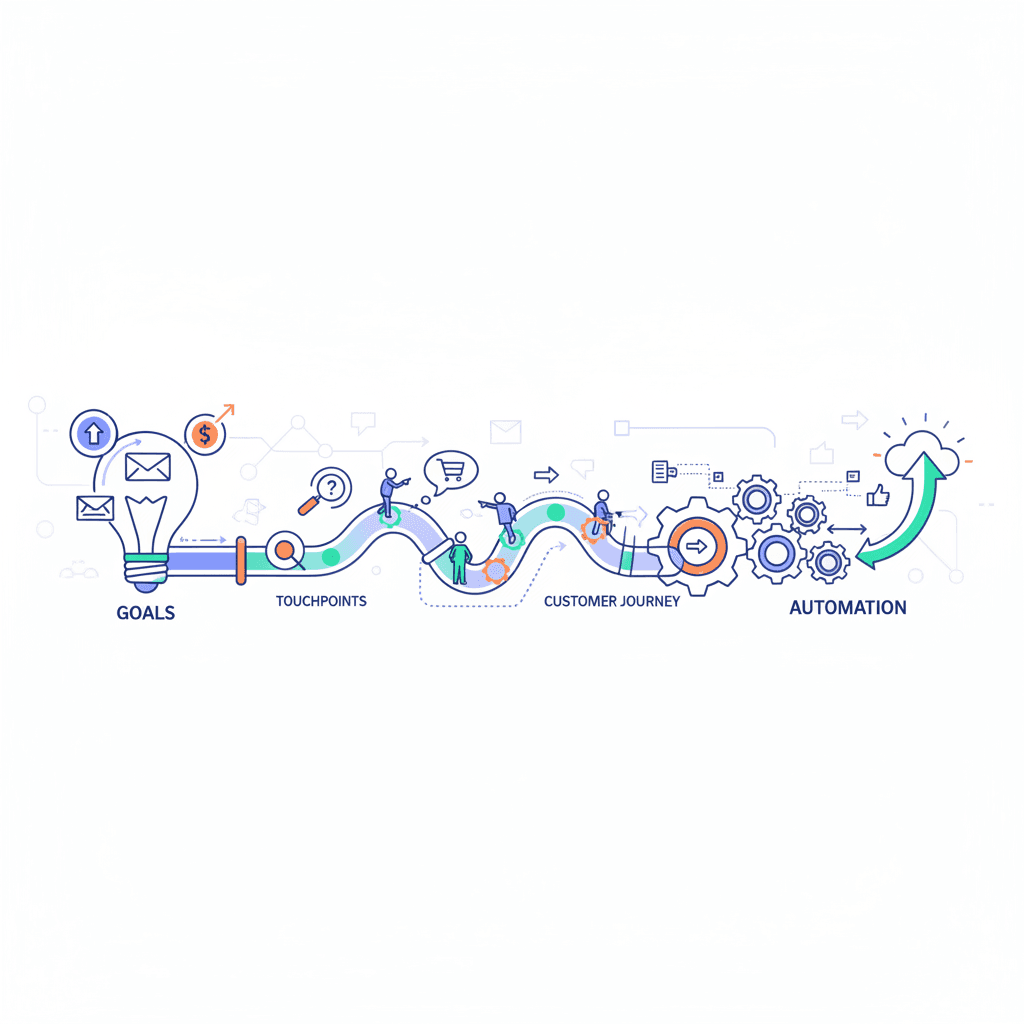
1. Define Your Goals
Start by clearly identifying the specific objectives you want to achieve with your automation pipeline, such as increasing lead generation, improving email open rates, or boosting sales conversions. These goals will guide the design of your pipeline.
2. Map Your Customer Journey
Analyze the typical path your customers take, from initial awareness to final purchase. Understand the touchpoints, pain points, and decision-making process along the way. This will help you create a pipeline that seamlessly guides leads through the sales funnel.
3. Choose Your Automation Tools
There are many powerful marketing automation platforms available, each with their own unique features and capabilities. Research and select the tools that best fit your needs and budget, such as email marketing software, lead capture forms, and AI-powered content creation.
4. Design Your Workflows
With your goals and customer journey in mind, begin mapping out the individual steps and triggers that will make up your automation pipeline. This may include lead capture, lead scoring, email nurturing sequences, social media posting, and sales outreach.
5. Test and Optimize
Once your pipeline is set up, continuously monitor its performance and make adjustments as needed. A/B test different elements, analyze the data, and refine your approach to achieve the best possible results.
Unleash the Power of AI-Powered Marketing Automation
While building a comprehensive marketing automation pipeline may seem daunting, the benefits it can provide for your business are immense. And with the help of AI-powered tools like MarketChamp, the process becomes even simpler and more accessible.
By leveraging AI to analyze your marketing needs, generate content, and automate your campaigns, you can create a professional-grade marketing strategy in a fraction of the time it would take manually. Say goodbye to the expertise barrier and hello to a future where your marketing runs on autopilot, freeing you up to focus on your core business.
Ready to unlock the power of marketing automation and take your business to new heights? Get started with MarketChamp today and experience the future of AI-powered marketing.