Video Marketing Strategy: From Zero to 19 Templates
Master video marketing with 19 ready-to-use templates. Learn how to create professional videos in minutes, not months, and transform your marketing strategy.

Video Marketing Strategy: From Zero to 19 Templates
Video marketing has become non-negotiable in today's digital landscape. Yet many solopreneurs, small business owners, and startup founders are intimidated by the process. They think creating professional videos requires expensive equipment, specialized skills, and months of learning.
Here's the truth: It doesn't have to be that complicated.
In this guide, we'll walk you through a complete video marketing strategy and introduce you to 19 templates that will transform you from a video novice to a confident content creator—in minutes, not months.
Why Video Marketing Matters More Than Ever
Before we dive into templates, let's establish why video should be a cornerstone of your marketing strategy.
The numbers speak for themselves:
Video content generates 1200% more shares than text and images combined
80% of consumers are more likely to purchase after watching a product video
Videos on landing pages increase conversion rates by up to 80%
Social media users watch 1 billion hours of video daily on YouTube alone
Whether you're trying to generate leads, explain a complex product, build brand awareness, or nurture existing customers, video is the medium that delivers results. The challenge isn't whether you should use video—it's how to do it efficiently without breaking the bank or your schedule.
The Video Marketing Strategy Framework
Before jumping into templates, you need a solid foundation. A successful video marketing strategy follows this framework:
1. Define Your Goals
Are you trying to increase brand awareness, generate leads, drive sales, or educate your audience? Each goal requires a different video type and distribution strategy. Be specific about what success looks like for your business.
2. Know Your Audience
Where do they spend time online? What problems are they trying to solve? What format do they prefer—short-form or long-form content? Understanding your audience shapes every video you create.
3. Choose Your Channels
YouTube, TikTok, Instagram Reels, LinkedIn, and email all have different video requirements and audience expectations. Your distribution channels should match where your audience already spends time.
4. Plan Your Content Calendar
Consistency beats perfection. A regular publishing schedule keeps your audience engaged and signals to algorithms that you're an active creator.
Learn how AI can transform your marketing strategy in minutes by automating your entire content planning process.
The 19 Video Marketing Templates That Work
Here are 19 battle-tested video templates you can use immediately to launch your video marketing strategy:
Product & Service Videos (5 Templates)
Product Demo: Show how your product works in 60-90 seconds. Focus on benefits, not features.
Product Walkthrough: A detailed breakdown of your product's key features for interested prospects.
Before & After: Show the transformation your product or service enables. Highly persuasive for conversions.
Customer Testimonial: Let satisfied customers tell your story. Third-party validation is powerful.
Pricing Explanation: Clarify your pricing tiers and what's included in each. Reduces objections and support questions.
Educational & Value-Driven Videos (5 Templates)
How-To Guide: Teach your audience how to solve a problem related to your industry. Position yourself as an expert.
Tips & Tricks: Share 3-5 quick tips in under 2 minutes. Perfect for social media.
Common Mistakes: Show what NOT to do and why. Educational content that builds trust.
Industry Insights: Share trends, predictions, or data relevant to your niche.
FAQ Video: Answer your most common customer questions in video format. Saves time and builds authority.
Engagement & Brand Videos (4 Templates)
Behind-the-Scenes: Show your team, workspace, or process. Humanizes your brand and builds connection.
Company Culture: Highlight your values, mission, and team. Attracts aligned customers and talent.
Customer Success Story: Deep-dive into how you helped a specific customer achieve results.
Day-in-the-Life: Share your daily routine or a day in your business. Builds relatability and audience connection.
Sales & Conversion Videos (5 Templates)
Explainer Video: Clearly explain what your business does in 2-3 minutes. Great for homepage placement.
Sales Pitch: A compelling pitch for your core offering. Direct and persuasive.
Webinar Teaser: Promote an upcoming webinar and create urgency to register.
Limited-Time Offer: Create urgency around a special promotion or launch.
Retargeting Video: Re-engage website visitors who didn't convert with a targeted message.
How to Implement These Templates Efficiently
Creating 19 videos sounds overwhelming, but here's the secret: you don't need to create them all at once.
Start with your highest-impact templates based on your goals:
If your goal is lead generation: Prioritize Product Demo, How-To Guide, and Explainer Video
If your goal is brand awareness: Focus on Behind-the-Scenes, Company Culture, and Tips & Tricks
If your goal is sales: Emphasize Customer Testimonial, Sales Pitch, and Before & After
Once you've created your core videos, expand to other templates based on what resonates with your audience and what's easiest for you to produce.
Discover how AI-powered marketing automation can help you create professional videos in minutes without expensive equipment or technical expertise.
Pro Tips for Video Success
Template or not, these principles apply to all effective video marketing:
Hook viewers in the first 3 seconds. You have a tiny window to grab attention before people scroll away.
Keep it short. Aim for 60-90 seconds on social media, 2-3 minutes for educational content, and 5-10 minutes for deep-dive content.
Optimize for sound-off viewing. Use captions and on-screen text since many viewers watch without audio.
Include a clear call-to-action. Tell viewers exactly what you want them to do next.
Repurpose your videos. Turn one video into clips, quotes, blog posts, and social media content.
Track performance. Monitor watch time, engagement, and conversions to understand what works.
The Advantage of AI-Powered Video Creation
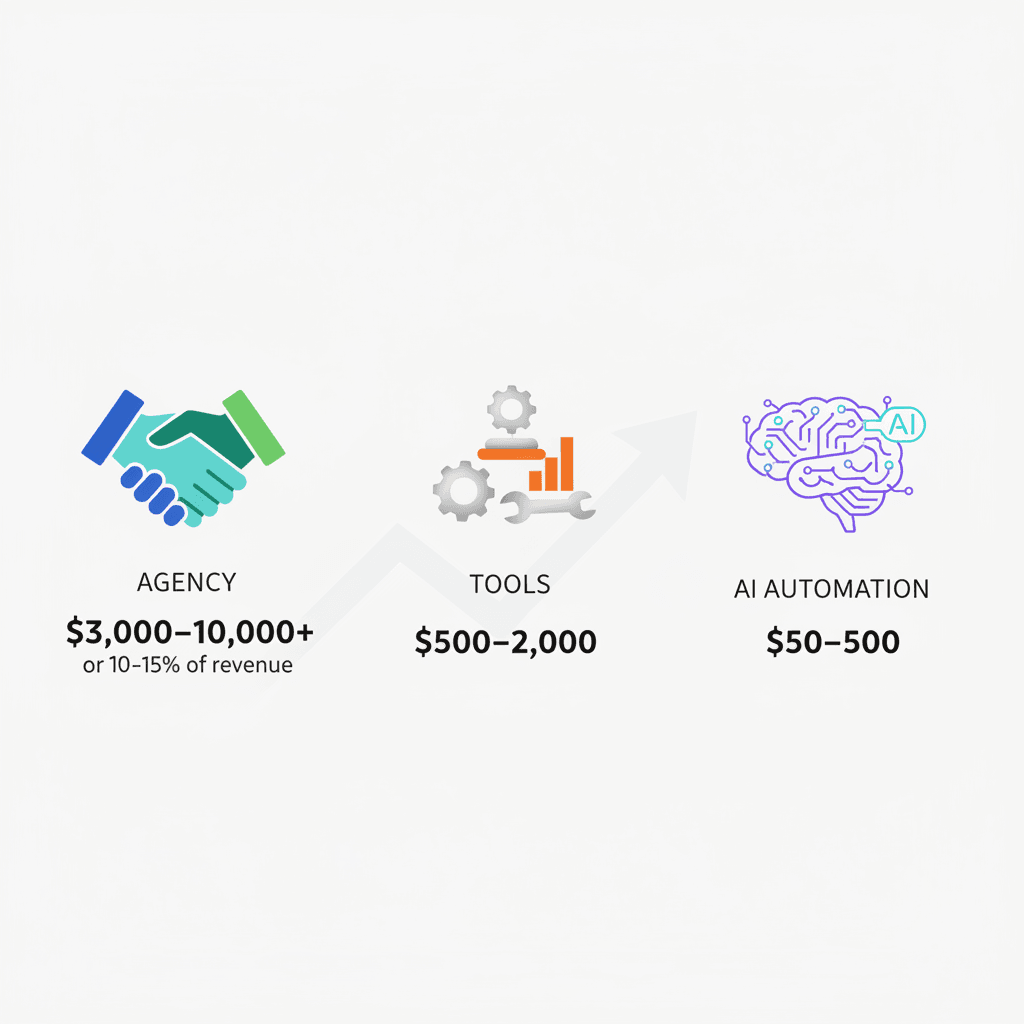
Traditionally, creating professional videos meant:
Investing in expensive cameras and lighting equipment
Learning video editing software (which takes weeks)
Spending hours filming, editing, and perfecting each video
Potentially hiring a videographer or production company
Modern AI-powered marketing platforms have changed this equation entirely. You can now generate professional-quality videos from scripts or prompts in minutes, complete with voiceovers, animations, and on-brand styling.
This means you can implement all 19 templates without the traditional time and cost barriers. Learn how to automate your way to more leads and sales with AI-powered marketing.
Building Your Video Marketing Calendar
Here's a practical approach to rolling out your 19 templates:
Month 1: Create 3-4 core videos (Product Demo, How-To Guide, Explainer Video)
Month 2: Add 3-4 engagement videos (Behind-the-Scenes, Customer Testimonial, Tips & Tricks)
Month 3: Expand with 3-4 educational videos (FAQ Video, Common Mistakes, Industry Insights)
Month 4+: Continue adding new templates and repurposing existing content
This phased approach prevents overwhelm and gives you time to learn what resonates with your audience before scaling up production.
Measuring Video Marketing Success
Not all metrics are created equal. Focus on these key performance indicators:
Watch Time: How long people watch your videos (quality indicator)
Engagement Rate: Likes, comments, shares relative to views
Click-Through Rate: How many viewers click your call-to-action
Conversion Rate: How many video viewers become leads or customers
Return on Investment: Revenue generated compared to production costs
Use these metrics to refine your strategy and double down on what works.
Your Next Steps
Video marketing doesn't require you to be a filmmaker. With these 19 templates and a strategic approach, you can launch a professional video marketing program that generates real business results.
Start small. Pick one template that aligns with your primary business goal. Create it. Publish it. Measure the results. Then build from there.
The businesses winning in 2026 and beyond aren't waiting for perfect conditions or expensive agencies. They're creating consistent, valuable video content that speaks directly to their audience's needs.
You can too—starting today.